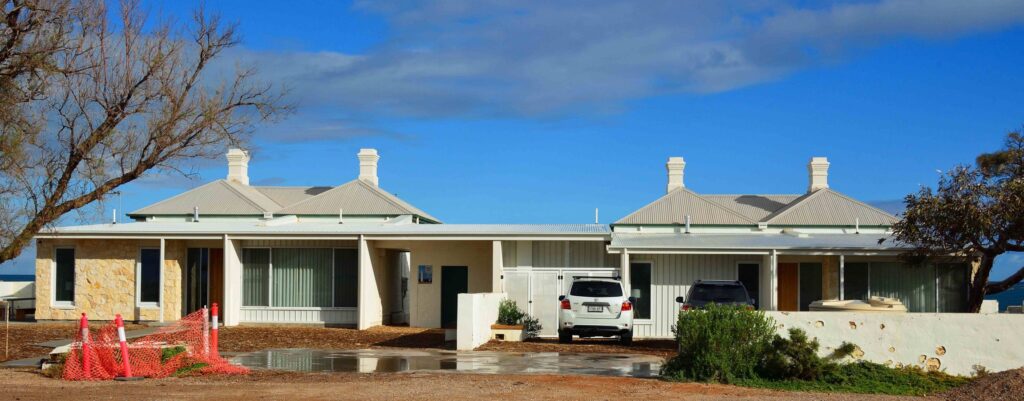
Why would we go to Whyalla? This may be asked by the uninitiated. The answer is, Whyalla is the only known place where tens of thousands of giant Australian cuttlefish gather annually in such large numbers to mate and reproduce. This unique aggregation is a globally significant event and a major draw for tourists and researchers alike. While cuttlefish can be found in other parts of the world and along the Australian coast, the sheer scale and predictability of their gathering in the waters off Whyalla make it a unique phenomenon. There was only a small group of us, Helena, Bec, Dianna, Heather and Morag and myself headed off to Whyalla to see the annual gathering of the giant cuttlefish. We had taken the Friday off to give ourselves a long weekend and avoided the congestion of the previous actual long weekend. We were staying at the Point Lowly lighthouse cottages which I personally had not stayed in for over 20 years and they have been seriously upgraded and are lovely.
History
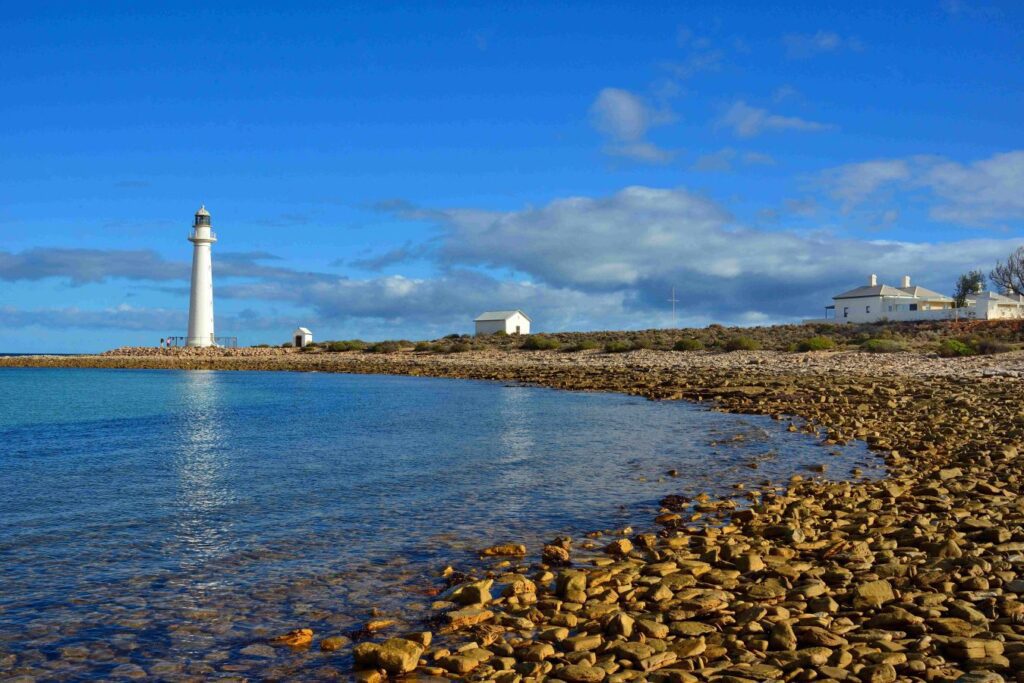
The lighthouse was built in 1883 after the conditions were found to be unsatisfactory for the continued use of a lightship at that location. The cottages, the oldest buildings in the Whyalla area, were originally built in 1883 and used to assist ships going to Pt Augusta and Pt Pirie. They were manned by two lighthouse keepers and their families. This continued for 90 years until 1973.
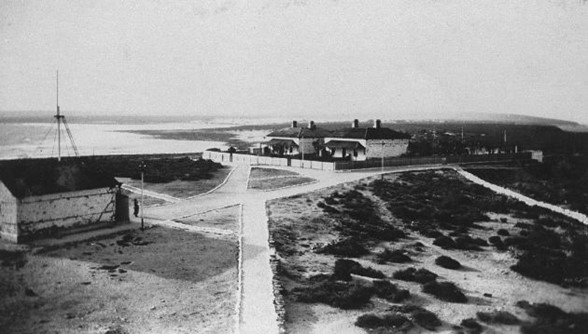
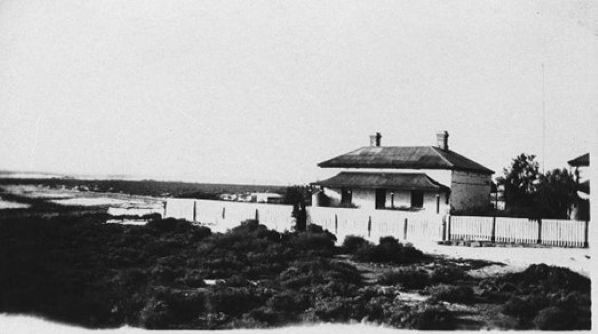
The original lighthouse structure was 15 metres in height and was made from local sandstone. Its optical apparatus had an eight side catadioptric lens that revolved once every 80 seconds and gave a 2 second flash every 10 seconds. The light source was a wick burner fueled by mineral oil. Supplies were landed by boat from Port Pirie on the opposite side of the Gulf.
After a number of incidents the height of the light was raised by 7.6 metres to its current level in 1909. At this time a kerosene vaporizing light unit was installed. The light was de-manned in 1973 after the installation of a Stone Chance Power Beam Beacon on the balcony, which was powered by batteries. In 1979, the light was connected to mains electricity and the lens and lamp were upgraded in this process.
The light was turned off in 1993 by the Australian Maritime Safety Authority as it believed it was no longer necessary. This light was re-activated in 1995 by the Whyalla City Council.
Our Trip
We headed off early Friday morning and after the compulsory stop at the Pt Wakefield bakery for refreshment we arrived at about 1.30 and quickly unpacked for an afternoon dive. We knew from the weather reports that Friday was going to be the best day, so we wanted to make the most of it. Morag and Heather arrived shortly after, and we readied ourselves for a dive. The dive site has changed significantly with facilities for changing, toilets, benches for setting up your gear, a rinsing off shower and a ramp to walk to the water’s edge. I dived with Heather and Morag and Bec and Dianna snorkeled around above us; the water temperature was 13c so was not comfortable for those in wet suits.
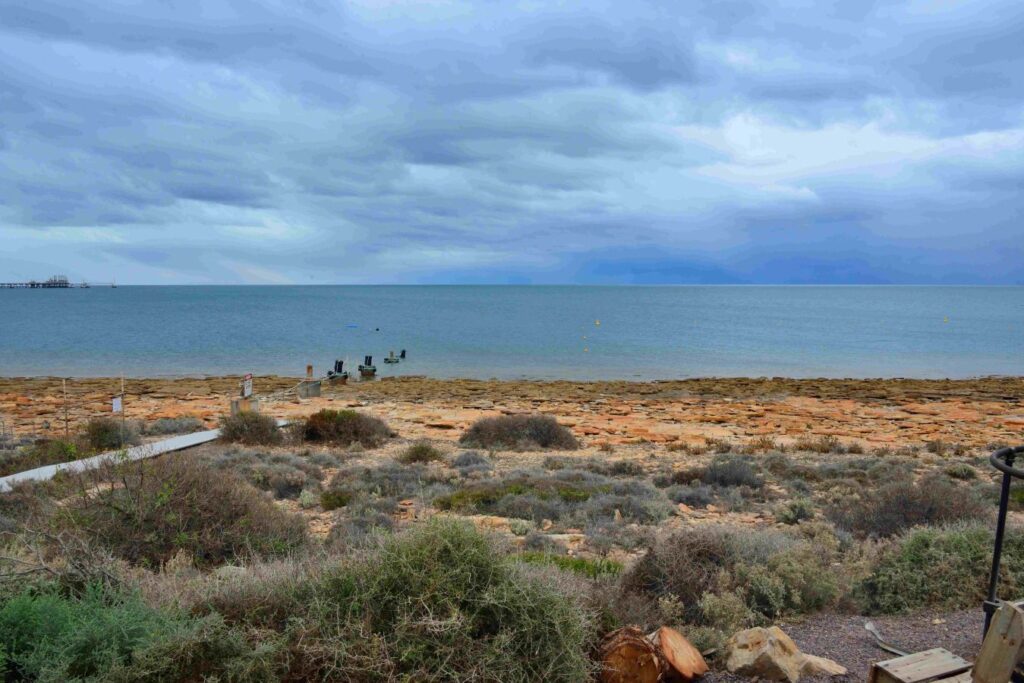
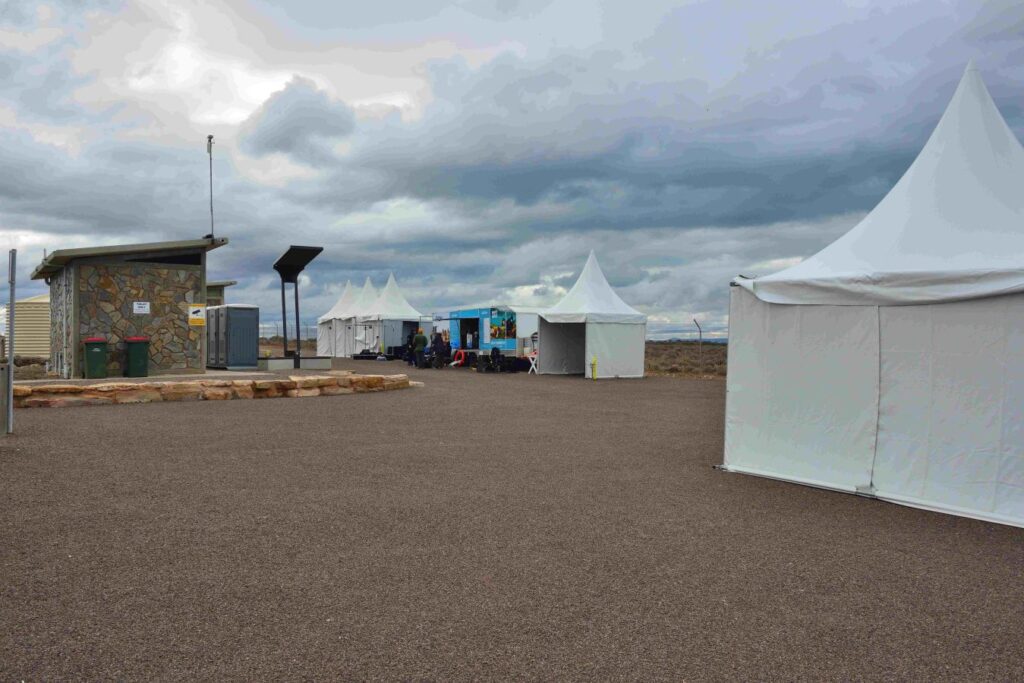
We swam only 40m off shore and looked down for some action, it didn’t take long before we were seeing the mating rituals of the cuttlefish, males competing for the right to mate with a female, males that have mated guarding their females while they lay their eggs and various other displays of colour and shape changes that can only be described as alien like. This live reality show could be watched for hours, the interactions between the sexes are incredible to watch and you don’t have to swim far, just find a small group and sit and watch, there is always something happening.
A couple of large sting rays were spotted, probably waiting to eat the cuttlefish that had succumbed to the intense mating rituals.
As the cuttlefish are more interested in mating there is no issue in getting close with a camera or video to capture this unique interaction. Heather was busy snapping away with her camera and I was capturing the action with a GoPro but after about 50 minutes those in wet suits were chilled to the bone and swam back to shore. I was surprised to see our 2 snorkelers still in the water enjoying the view from above, well, when I say above, I had a maximum depth of 3m.
The good thing about staying at the Point Lowly cottages is their close proximity to the dive site, it was a very short drive back so the divers could warm up with a hot coffee and hot shower, just not at the same time. Even in that short drive some of the local wildlife, kangaroos and emus tried to commit suicide by running in front of our car so caution had to be taken in this area. It was getting dark by the time everyone had thawed and recuperated, and the good thing is that it was Italian Night. We had a beautiful minestrone soup, lasagna, salads, tiramisu and chocolate Bavarian cheese cake for those that didn’t like tiramisu.😮Bellissimo
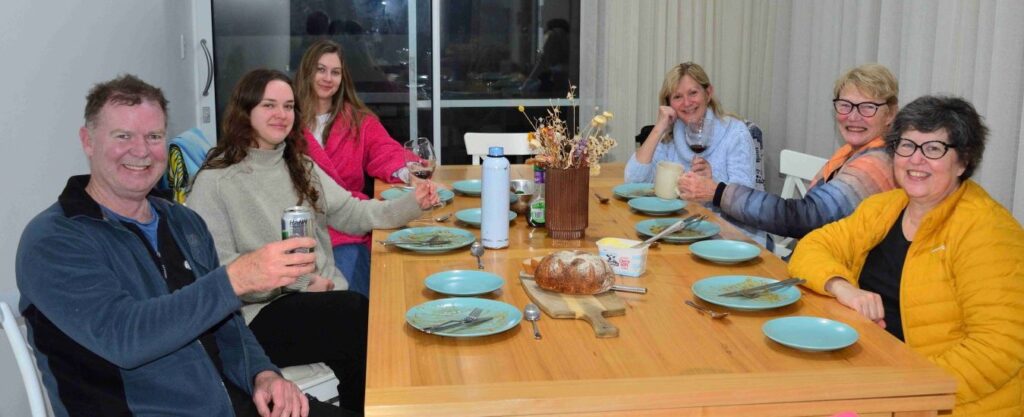
Friday night was clear and calm so I went outside late to capture some night photos of the lighthouse and cottages with some nice results. I snuck back inside after 11pm only to find Helena sitting there reading a book waiting up for me to see that I was okay; well that’s the way I perceived it.
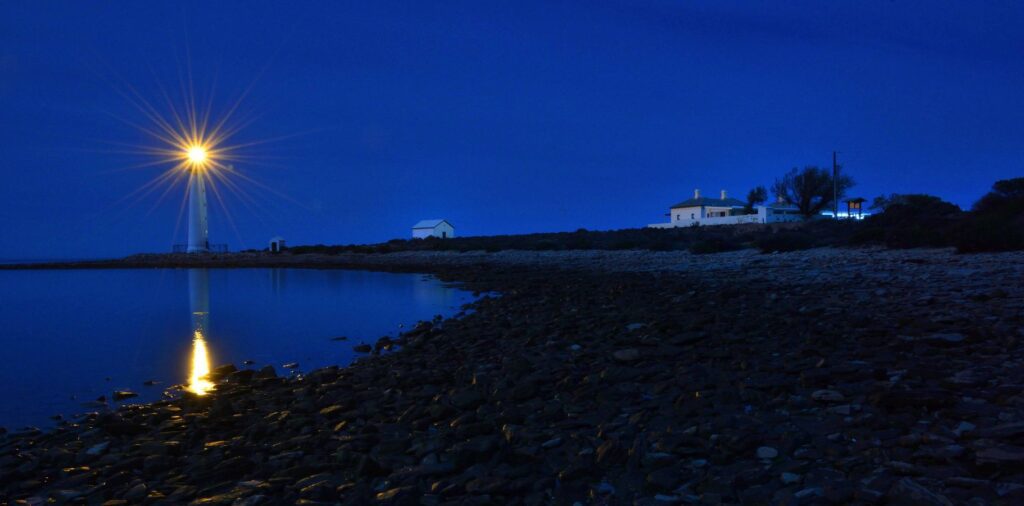
Saturday morning we arose to an overcast day with the wind picking up so it was off to the dive site as quick as possible, but not before taking time to admire the spectacular cloud formations over the lighthouse.
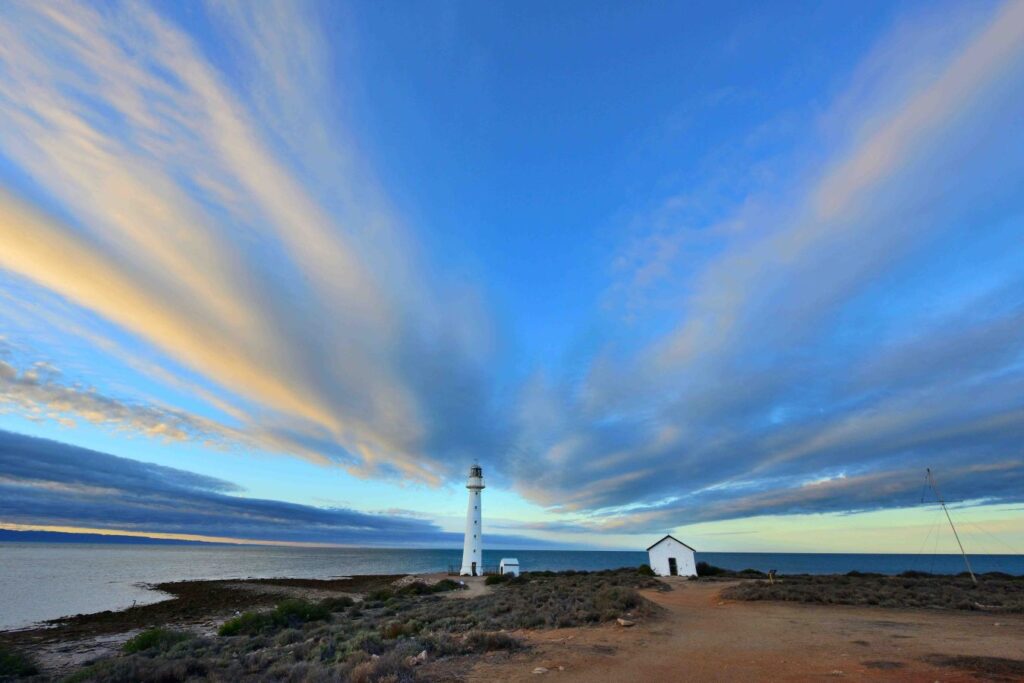
Luckily for us the wind was offshore so it didn’t affect our diving that much, just a bit darker. Again, it was another nice dive; plenty of cuttlefish but not in the numbers that I remember from previous years. This time we went out further into the deeper water and had a maximum depth of … 4m. It didn’t seem to matter what depth you were at the cuttlefish were everywhere. While swimming around the only trouble my dive buddy and I were having was with our buoyancy, you had to be over weighted in such shallow water, we were both having trouble with our legs rising up while trying to take photos and at one stage when I looked at my computer I was at 1.6m! It goes against all our training but in this case at such shallow depth more weight was better.
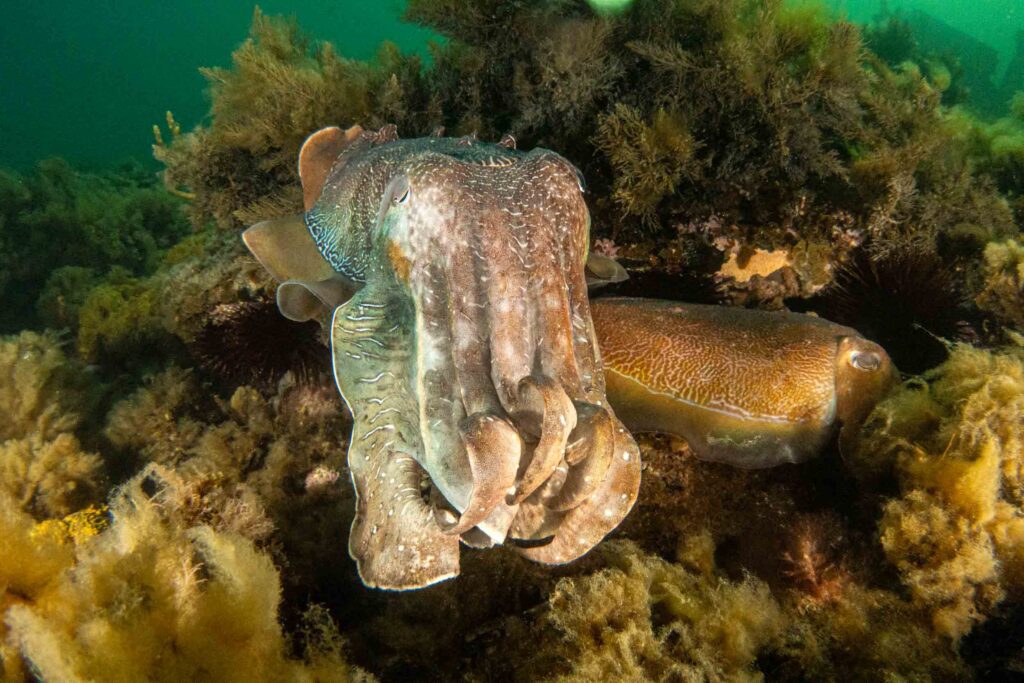
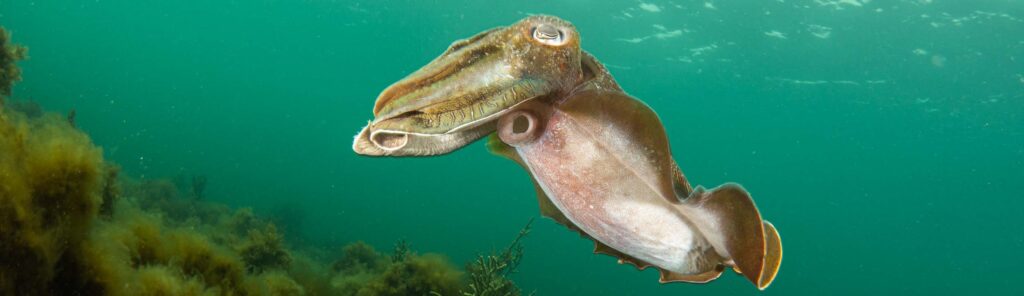
There were more divers in the water today but because the area is large we did not come across any for the duration of our dive and only saw some snorkelers as we were exiting our dive. This is where we were greeted by Helena who helped us with our gear and when we got to the tables the concierge welcomed us with cuttlefish cookies and stickers and any advice we wanted, which is a nice touch. There was even a fire burning to help thaw out those who had stayed in a bit too long.
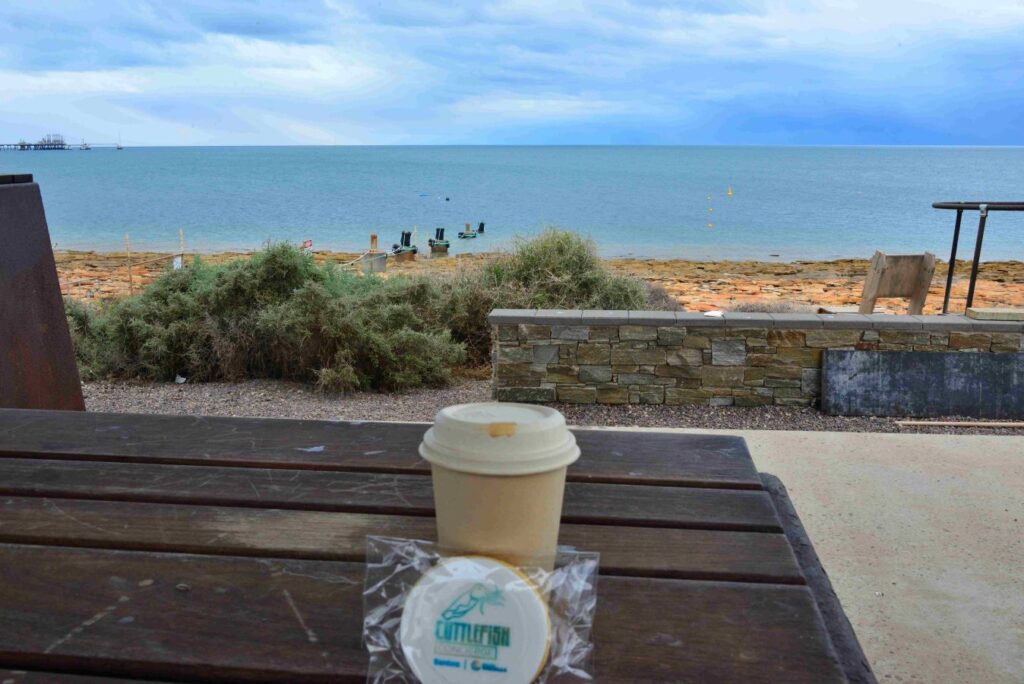
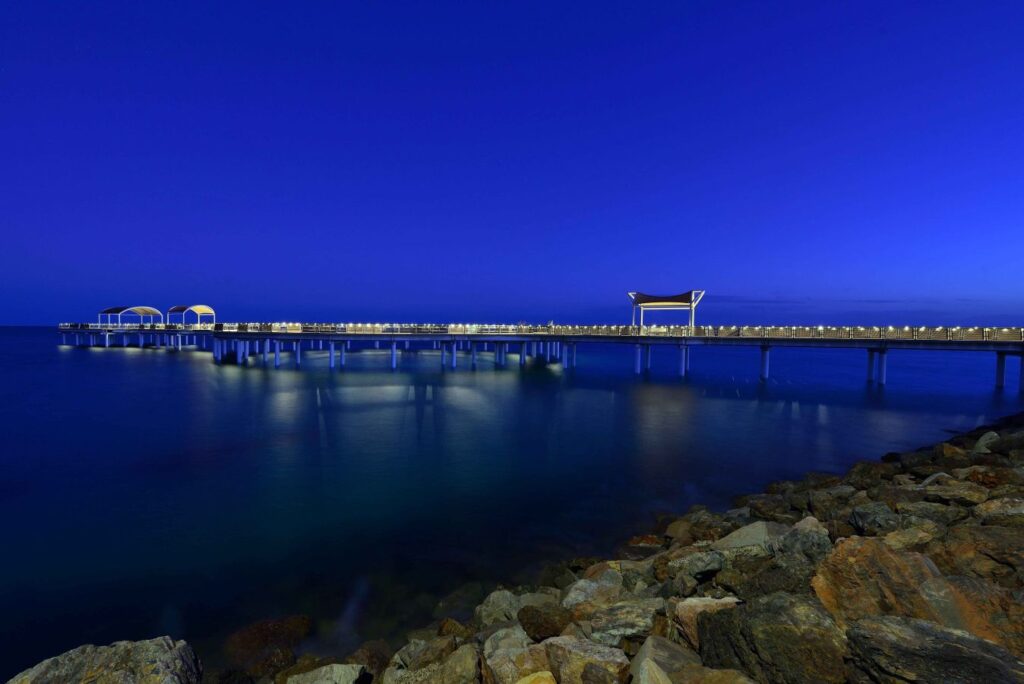
By now the rain clouds were gathering and it was getting darker so it was back to the cottages for some hot left-over soup and gourmet pasties made by Helena; both were beautiful and warmed us up. Soon the rain was coming in sideways but within an hour or so it had passed, and the sun was trying to peek through. We decided to visit the mangrove area at Fitzgerald Bay and go for a short walk along the Freycinet Trail. Here we witnessed a couple of strange events, jellyfish that were washing up on the rocks and air that was bubbling up from the ocean floor in the shallows is several places, very strange and something we could not explain. From here, we went into Whyalla to visit the relatively new jetty. This is the only circular jetty in the Southern Hemisphere and is an unmissable feature to Whyalla’s impressive foreshore. The unique design was chosen by the community and has a circle feature which is sure to attract fishers, walkers and sightseers. Beginning construction in September 2019, completed in 2020, the jetty has state-of-the-art LED lighting and locals and visitors alike watch the impressive structure come to life after dark. The jetty is 65m long and bespoke lighting has been installed the entire length of its hand railing creating an all-round attraction with a wonderful ambiance at night that shines down onto the water.
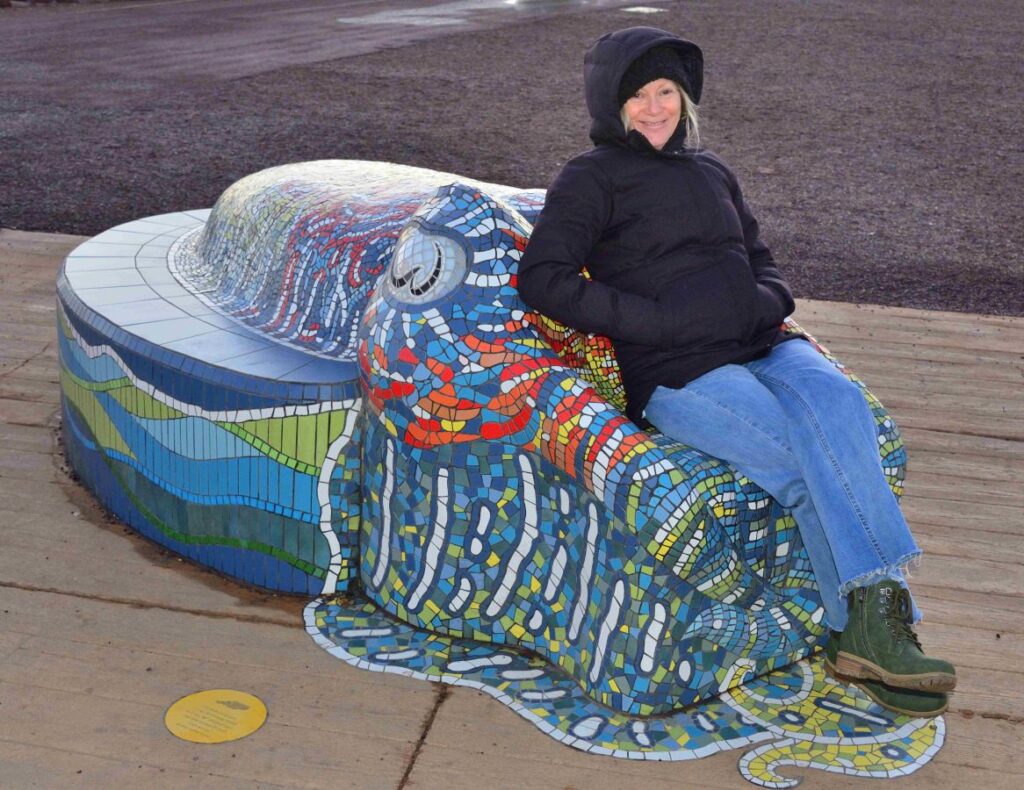
Just at the start of the jetty is a large seat in the shape of a … you guessed it … a cuttlefish.
Saturday night was barbecue night and being the only male it was my duty to look after this while the others produced lovely salads and desserts. Sunday morning the weather was perfectly calm and sunny, of course, but we packed up for the long trip back home. Whyalla is about a 4-hour drive but you must make the trip at least once in your diving lifetime between May and August to witness the natural wonder of this large-scale aggregation of thousands of giant Australian cuttlefish. The cuttlefish consistently gather in the same area each year, making it a reliable spectacle and is considered unique not only in Australia but also worldwide.
A special thank you to Helana and Morag who organized the weekend and to all those who attended to make the weekend special.
David Boyle